
By Hannah Blum, author of “Oh Mind, Where Have You Gone Today?”
As a writer and woman living with bipolar disorder, words have been my refuge—a safe space for self-expression and a means to confront stigma while grappling with the complexities of my own mind. Maybe you can relate to this feeling as well. Three years ago, I began writing, ‘Oh Mind, Where Have You Gone Today?’ A collection of poems, short stories, and essays delving into the depths of the human psyche. However, one of the challenges I encountered with publishing companies was including a chapter specifically about mental illness. Many suggested it should be a separate book, furthering the division between us and the general public. Fortunately, my commitment to art and mental health advocacy is unwavering.
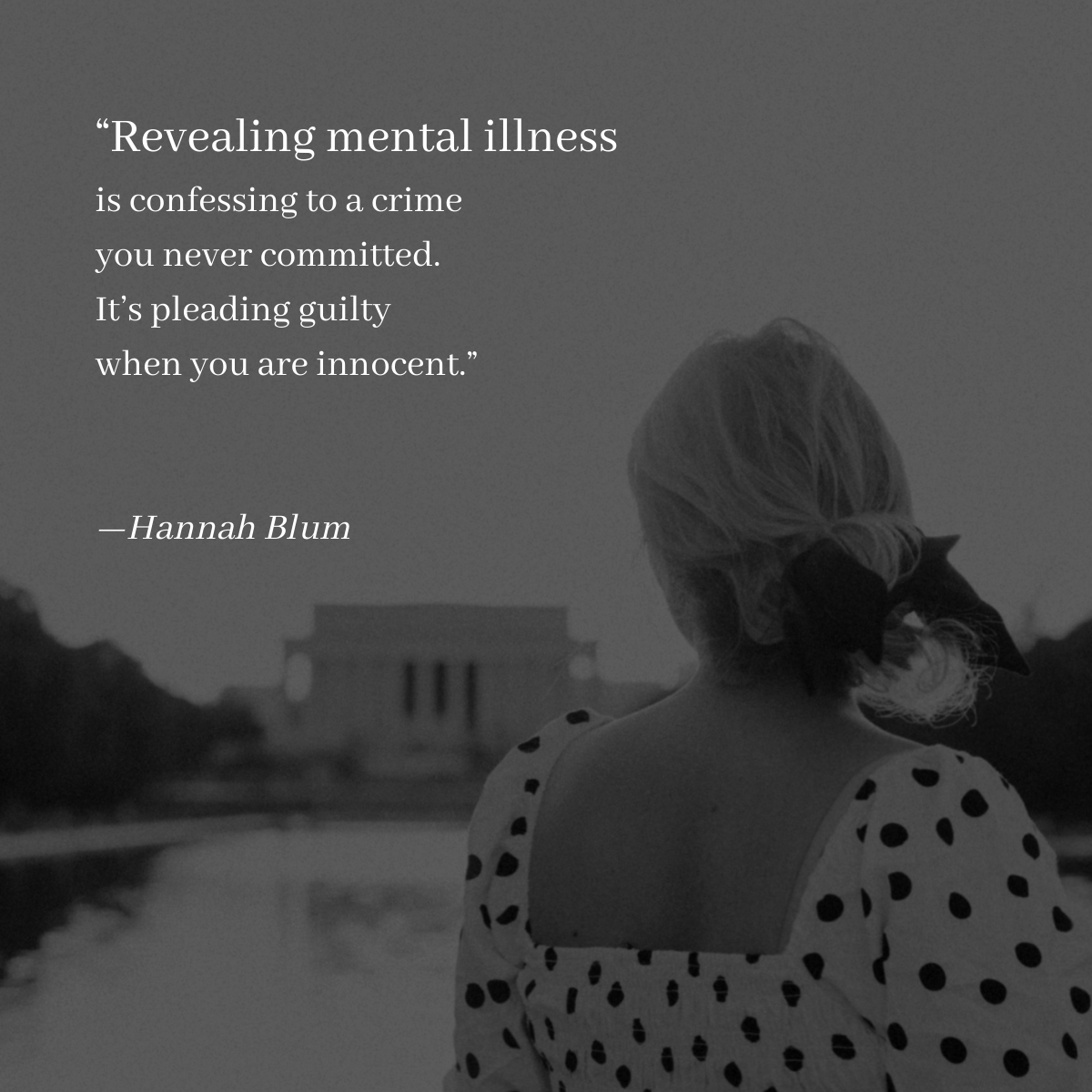
I unapologetically address stigma, history, and life with mental illness, inspired in part by the unapologetic female pioneers who defied convention in their pursuit of raw, honest art. In this article, I share the stories of five such women who not only lived with mental illness but transformed their pain into inspiration for generations to come. These women have shaped my writing and my love for mental health advocacy. Writing has become a lifelong companion, a way to tame the inner chaos that seeks to silence me at times. I hope you can find inspiration in these women as well.
Sylvia Plath
Sylvia Plath, one of the most celebrated poets of the 20th century, is famous for her deep and personal poetry that really gets to the heart of human feelings. Her work is piercingly honesty. Plath’s life was marked by a constant struggle with mental illness.
Born in 1932 in Boston, Massachusetts, Plath demonstrated exceptional literary talent from a young age, winning numerous awards for her poetry and fiction. However, her brilliance was entangled with the torment of her mental illness, shaping both her gift for writing and her pain. It served as both her muse and enemy simultaneously.
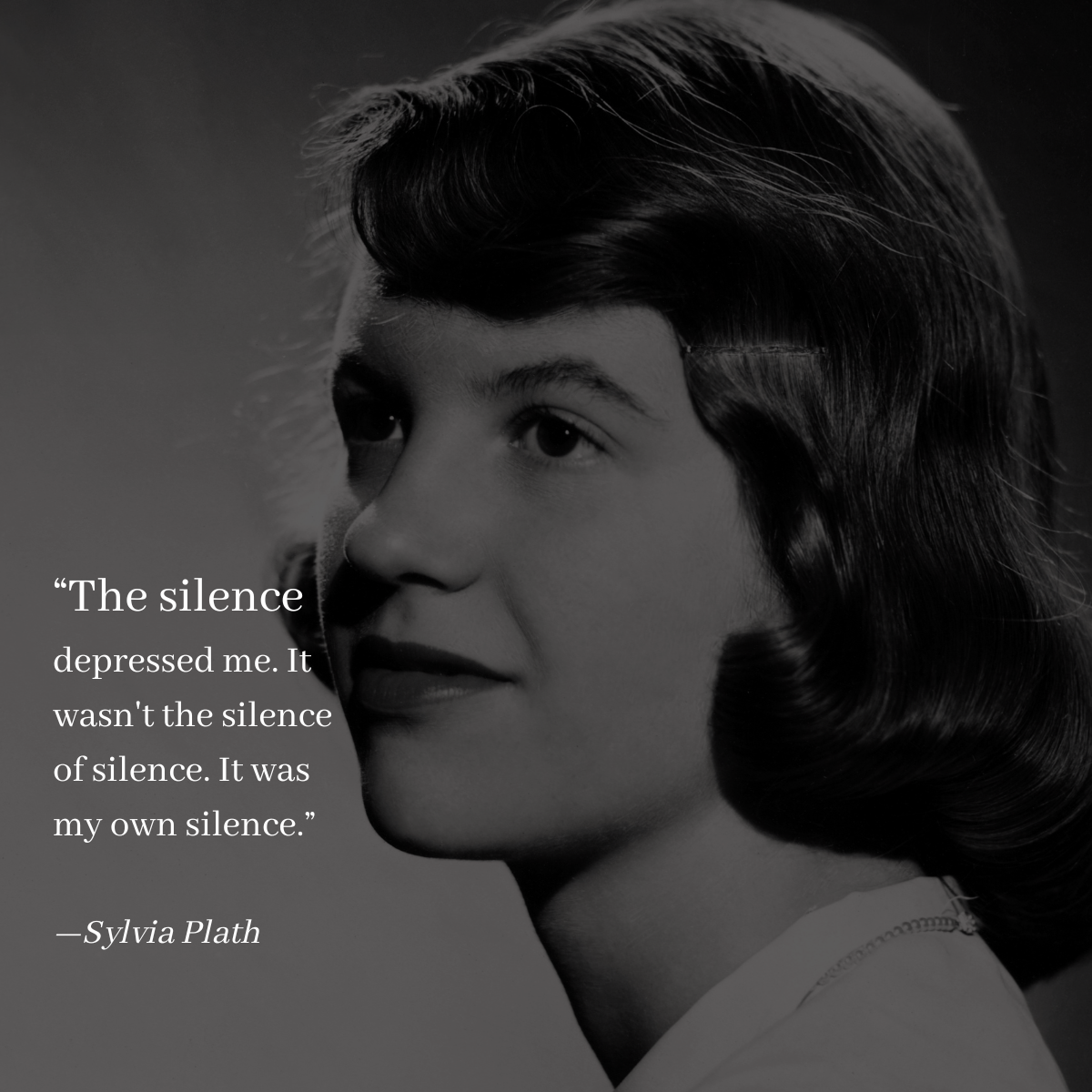
Throughout her life, Plath battled severe depression, and many psychologists believe that bipolar II disorder may have more accurately described her symptoms. She underwent multiple hospitalizations and received various treatments, including electroconvulsive therapy at Valley Head Hospital in Carlisle, Massachusetts, in an effort to manage her condition.
Plath’s experiences with mental illness are vividly depicted in her poetry, which often explores themes of despair, and isolation. Works such as “Daddy,” “Lady Lazarus,” and “Ariel” are characterized by their raw intensity and unflinching portrayal of psychological pain.
Despite her struggles, Plath’s legacy is everlasting, and her words serve as comfort to those who feel alone in their pain. Her poetry continues to resonate with readers worldwide, offering a glimpse into the complex inner world of a brilliant yet tormented soul.
She serves as an inspiration for all of us to continue creating art that sheds light on the workings of mental illness, something few can truly understand.
Ntozake Shange
Ntozake Shange, born Paulette Williams, was a playwright, poet, and novelist best known for her groundbreaking work “For Colored Girls Who Have Considered Suicide / When the Rainbow Is Enuf.” While Shange did not speak extensively about her mental health in public forums, she did openly discuss her struggles with bipolar disorder later in her life.
Shange’s experiences with bipolar disorder likely influenced her creative process and the themes explored in her work. “For Colored Girls,” for example, delves into the complex lives and struggles of black women, addressing issues such as trauma, abuse, and mental health. The play’s portrayal of emotional pain and resilience resonated deeply with audiences and solidified Shange’s reputation as a trailblazing voice in literature.

In addition to “For Colored Girls,” Shange wrote numerous other works, including poetry collections, novels, and essays, many of which touched on themes related to mental health, identity, and the black experience in America. Through her writing, Shange confronted societal taboos and stigma surrounding mental illness, contributing to greater awareness and understanding.
While Shange passed away in 2018, her legacy as a visionary artist and advocate for social justice continues to inspire and empower audiences around the world.
Zelda Fitzgerald
Zelda Fitzgerald, the wife of F. Scott Fitzgerald and a gifted writer, lived a life filled with creative sparks and struggles with mental illness, specifically bipolar disorder. She experienced periods of intense emotional instability throughout her life. Despite her challenges, Zelda produced notable works of fiction, including the semi-autobiographical novel “Save Me the Waltz.” Her writing often reflected her own experiences and provided insight into the world of mental illness and its impact on creativity. Tragically, Zelda’s struggles with mental health overshadowed much of her literary career, but her work continues to be appreciated for its raw honesty and emotional depth.
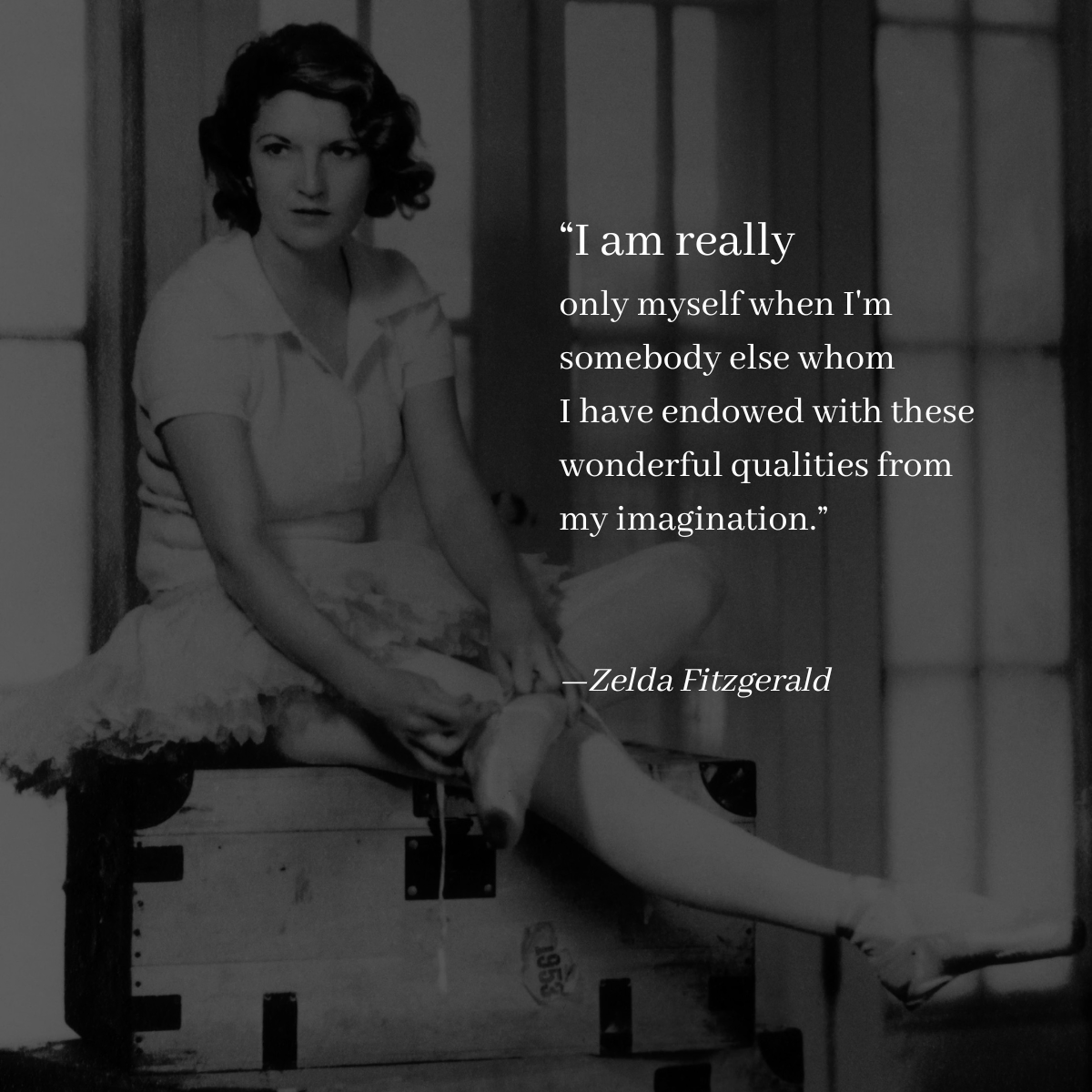
Zelda Fitzgerald’s tragic death occurred on March 10, 1948, when a fire broke out at the Highland Mental Hospital in Asheville, North Carolina, where she had been residing. The fire claimed her life, along with eight other patients. The circumstances surrounding the fire remain unclear. Despite her struggles with mental illness and the challenges she faced, Zelda’s legacy continues to be remembered and celebrated, both for her artistry and unapologetic vulnerability.
Virginia Woolfe
Virginia Woolf, a groundbreaking writer ahead of her time, is famous for her unique storytelling and deep dive into the human mind. However, throughout her life, Woolf grappled with mental illness, experiencing severe bouts of depression and grappling with what is now believed to have been bipolar disorder.
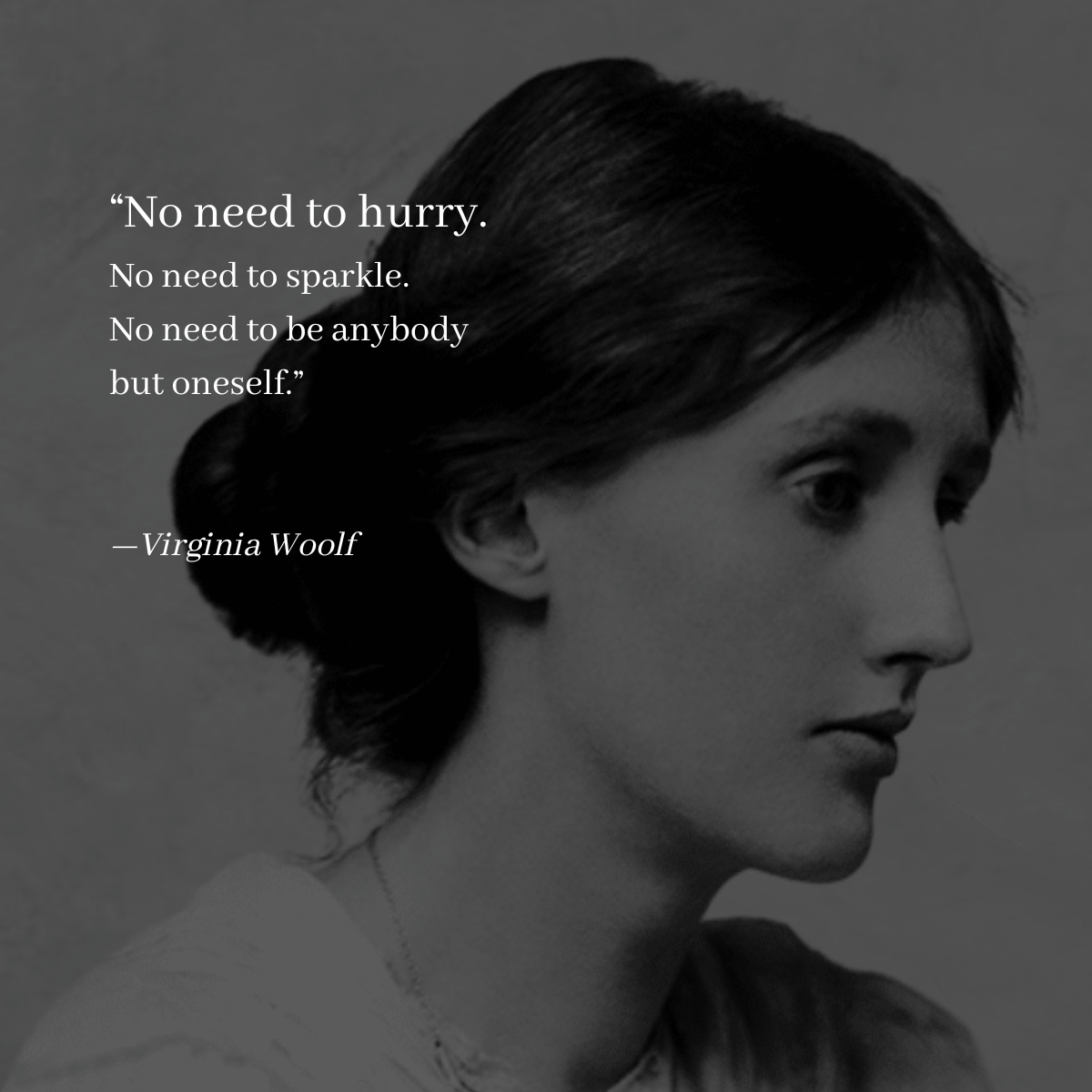
These struggles deeply influenced her writing, as can be seen in works such as “Mrs. Dalloway,” “To the Lighthouse,” and “The Waves,” where she delves into the inner lives of her characters with meaningful insight and empathy. Despite her battles with mental illness, Woolf’s literary legacy remains enduring, as she continues to be celebrated for her groundbreaking contributions to literature, feminism and her exploration of the human psyche.
Charlotte Perkins Gilman
Charlotte Perkins Gilman, a prominent feminist and social reformer, is best known for her seminal work “The Yellow Wallpaper.” Beyond her literary achievements, Gilman’s life was profoundly shaped by her struggles with mental illness. Following the birth of her daughter, Gilman experienced severe postpartum depression, which led to a profound existential crisis and influenced her views on gender, motherhood, and mental health. “The Yellow Wallpaper,” a semi-autobiographical short story, serves as a chilling exploration of Gilman’s own experiences with depression and the oppressive nature of the patriarchal medical establishment.
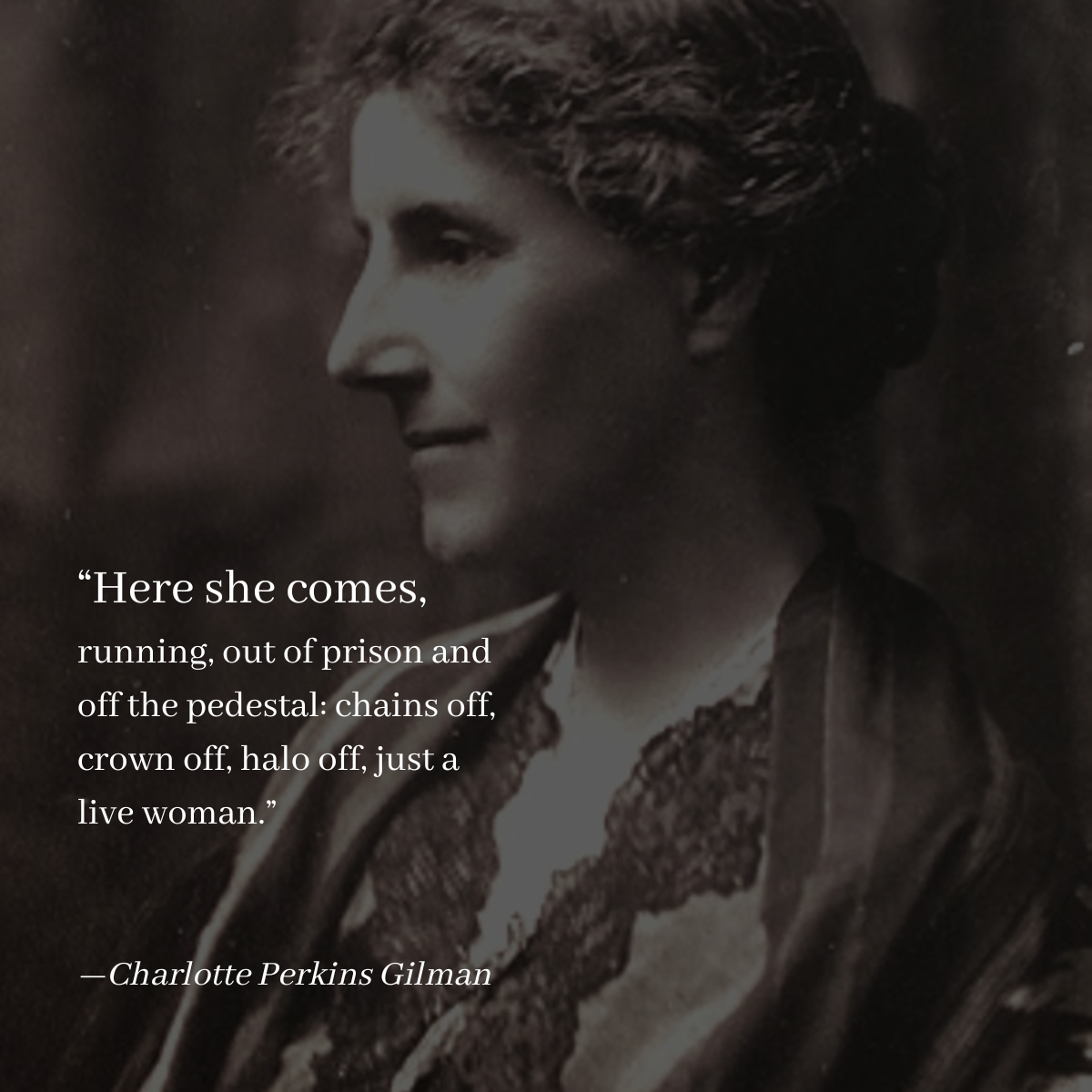
Through her writing, Gilman sought to shed light on the complexities of women’s mental health and advocate for social and political change. Despite her own battles, Gilman’s legacy endures as a powerful voice for women’s rights and mental health awareness. My editor recommended “The Yellow Wallpaper” after reading my piece, “Gaslight,” which explores the experience of being gaslighted as a woman with mental illness. Discovering the connection between these works showed me how women throughout history have grappled with similar struggles, paving the way for understanding the challenges we still face today.
To any artist out there who struggles with mental illness, know that you are not alone. Always remember: your words are a gift to this world, just as you are. We are in this together—always have been, always will be.
For more mental health art, follow me @hannahdblum
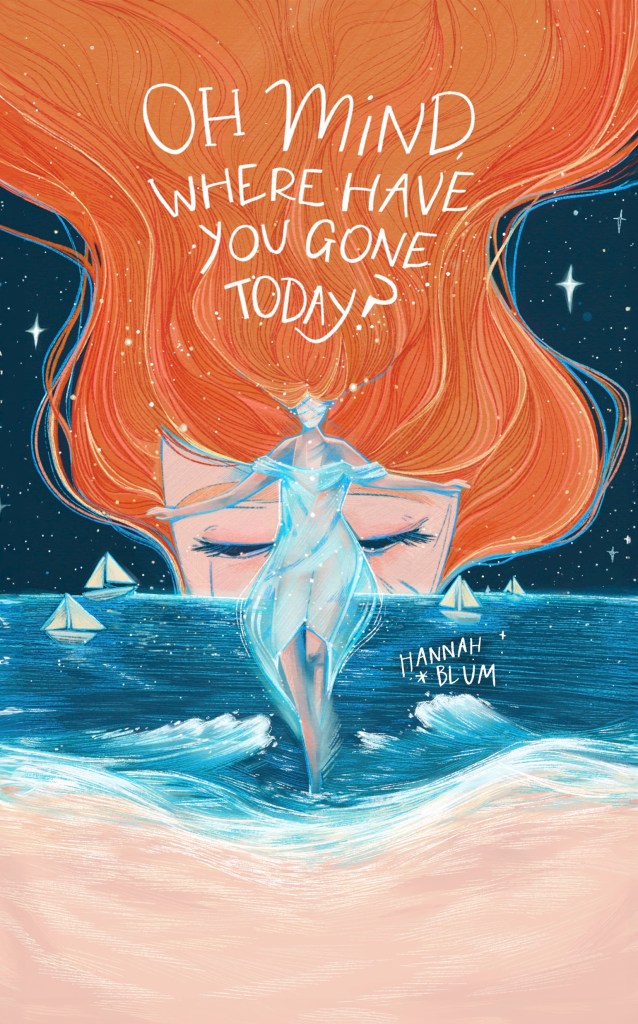
In “Oh Mind, Where Have You Gone Today?” by Hannah Blum, words become windows into the uncharted territories of the human experience. This collection of poems and essays delves deep into the soul, exploring themes of madness, mental health, mending, love, loss, patriotism, sensuality, womanhood, and the intricate tapestry of humanity.
 Blooming Mind Press