

Ghosting. We’ve all heard about it, and many of us, if not majority, have experienced it. You text, but they do not respond.
What is Ghosting?
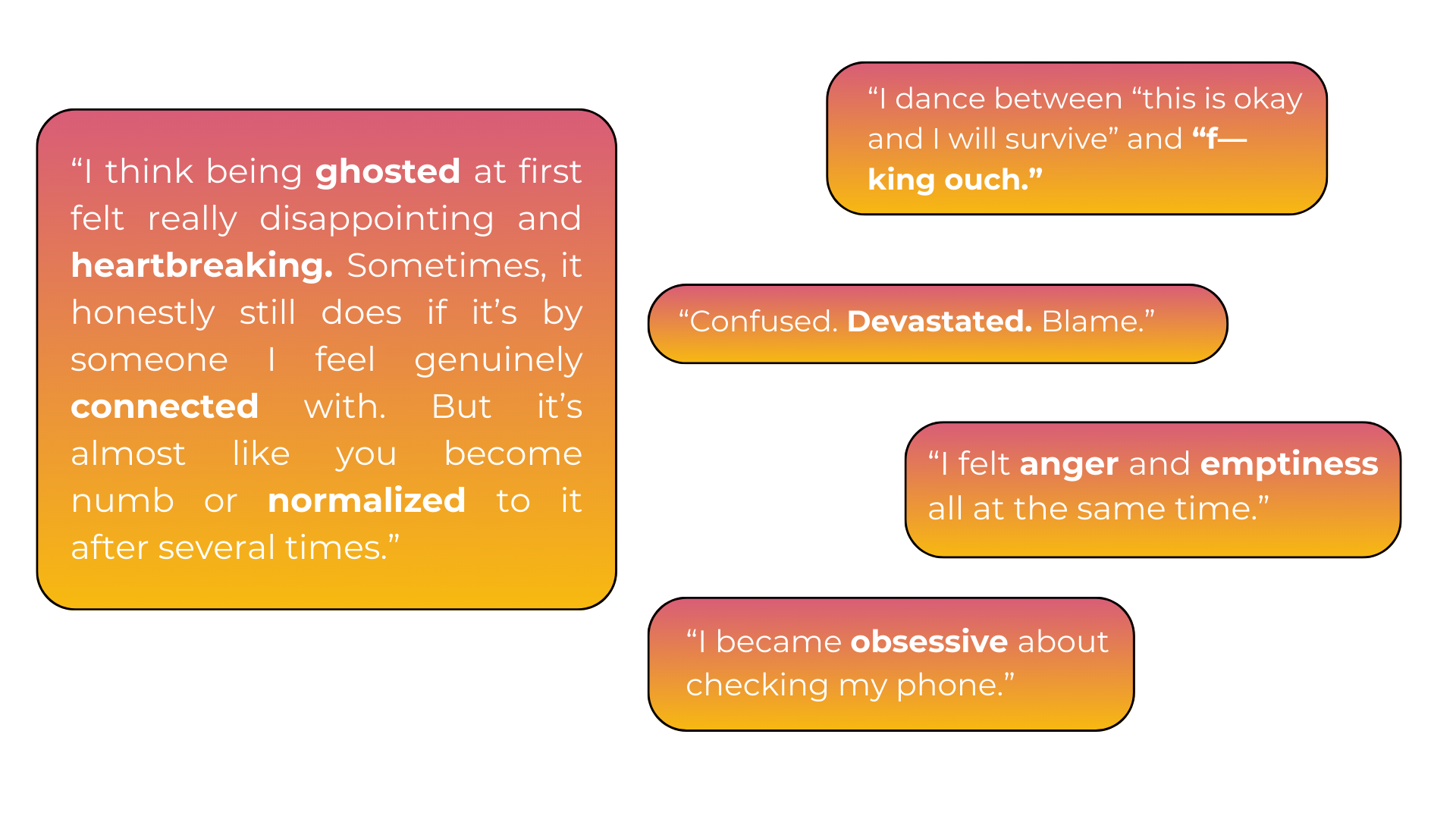
Ghosting is a newer term used mainly in the dating world to describe when someone abruptly cuts off all contact without any explanation. You might be going out with someone for a little while, things seem to be going well, and then suddenly, they stop responding to your texts and calls. Even if you try to reach out for closure, you’re met with silence. It’s called ghosting because it feels like the person has vanished into thin air. After doing some research, asking my audience to share their experiences, and reflecting on my own, I realized that this “trending” term actually exposes deeper truths about the state of our mental health.
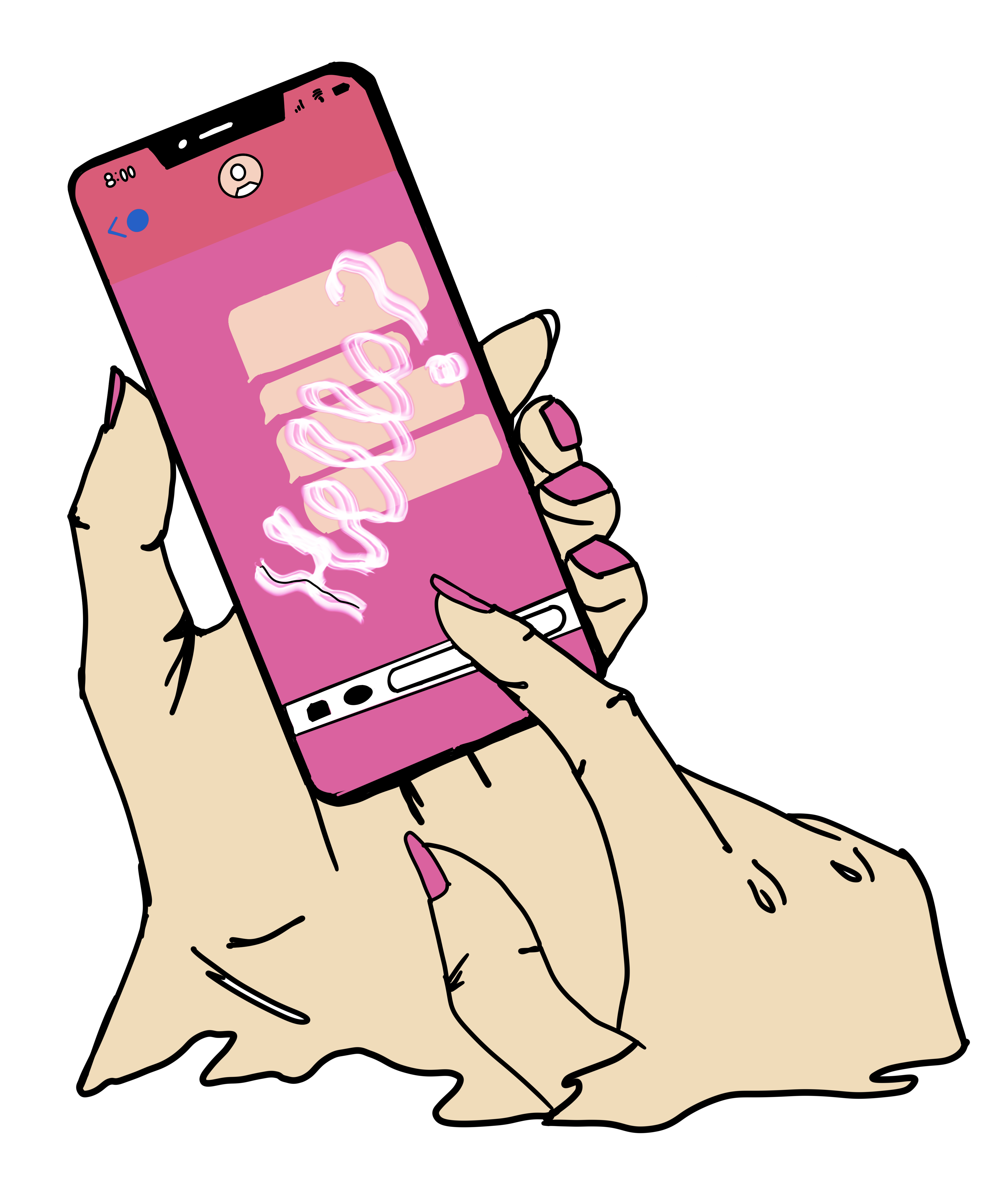
So why does ghosting hurt us so much, why do people ghost and what’s the psychology behind it? In this article, I’ll answer some of those questions, share a few ways to cope and reveal a reality about ghosting that we struggle to admit.
Why Does Ghosting Hurt So Bad?
A Lack of Closure
The “C” word. Closure. When dating, in a relationship, or even in a situationship, if it ends abruptly or unclearly, we naturally want an explanation. We are left in the dark with unanswered questions, it increases our anxiety. Humans have a natural desire to make sense of their experiences, a lack of closure robs us of that satisfaction. We fixate on the situation and find ourselves searching for an answer. It can drive us to behave in obsessive ways, such as searching for those answers via social media or continuing to reach out to the ghoster.
Fear of Rejection
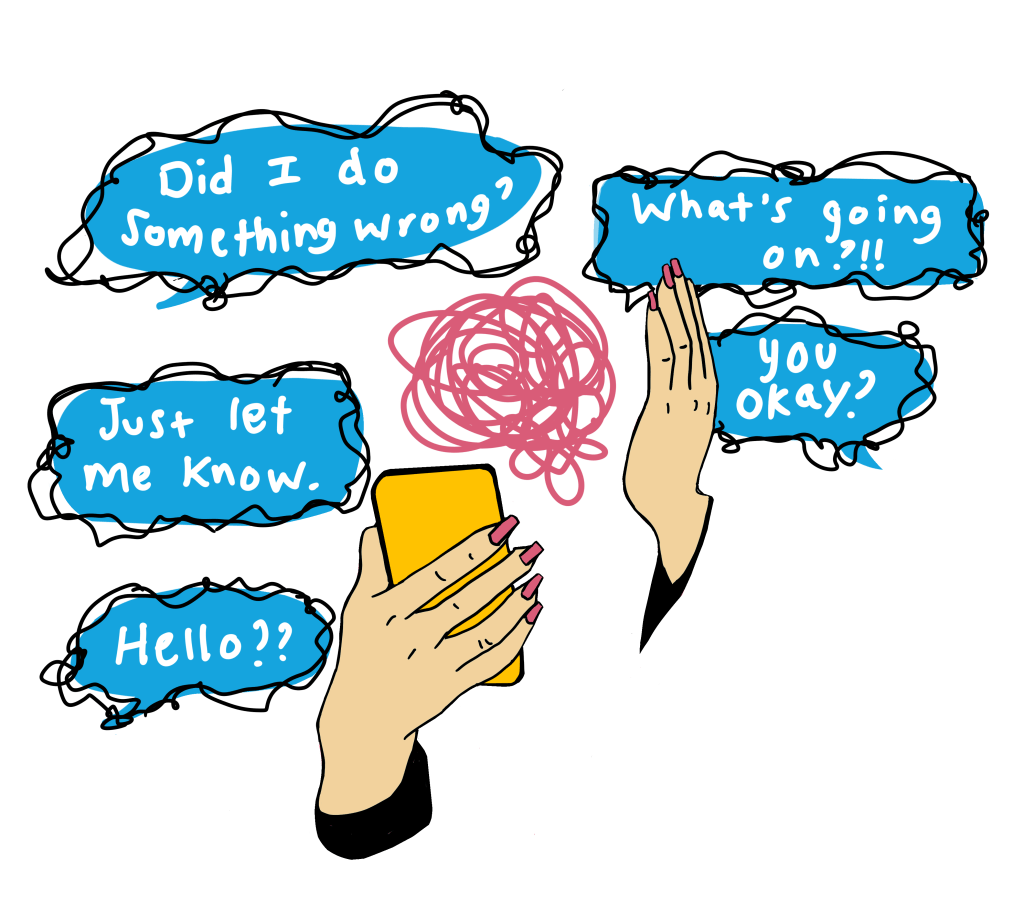
When someone ghosts us, it’s not just the sudden silence that stings but the underlying message of rejection. Ghosting triggers a sense of being unworthy and unlovable. When we don’t get an explanation, we’re left to fill in the gaps ourselves. Unfortunately, we often attribute it to the worst possible reasons. Ghosting can lead to self-blame, and we fall into a spiral of negative thoughts, making us question our judgment and second-guess ourselves.
Studies have shown that social rejection activates the same areas of the brain as physical pain, which explains why it feels so intensely painful. (Kross et al., 2011).
Cognitive Dissonance
I refer to it as a perception clash. Cognitive dissonance occurs when there is a discrepancy between beliefs and behaviors. For example, if someone believes the relationship is going well but then gets ghosted, it creates a mental conflict. This dilemma can cause them to ruminate on the person who ghosted them as they try to understand and regain control of the situation. They might find themselves dwelling over what happened, trying to make sense of how everything seemed fine, and then suddenly it all changed.
Why Do People Ghost? The Psychology Behind It
It is important to explore the reasons, theories, and research that can provide understanding into why people may ghost. We all make mistakes, so don’t be too hard on yourself if you’ve ghosted someone. However, when ghosting becomes a recurring behavior, it stops being a mistake and becomes a toxic pattern. Understanding the reasons behind behaviors like ghosting does not excuse ongoing hurtful actions or diminish the need for accountability. Still, let’s dive into some of the psychology behind why someone may ghost.
Avoidant Attachment
Attachment Theory is a psychological framework that explores how early relationships, particularly with caregivers, shape our patterns of relating to others throughout life. It was developed by John Bowlby and Mary Ainsworth. Avoidant attachment is one of the three main attachment styles identified in attachment theory.
Related to attachment theory, people with avoidant attachment styles tend to be uncomfortable with closeness and dependency. They often prioritize independence and self-reliance, sometimes at the expense of their relationships. They may ghost to maintain emotional distance.
Self-Determination Theory
Self-Determination Theory (SDT) suggests that people are motivated by three basic psychological needs: autonomy (feeling in control of one’s actions), competence (feeling capable), and relatedness (feeling connected to others). In the context of ghosting, if someone feels like their independence is threatened or they’re not connecting emotionally, they may disengage abruptly to regain a sense of control over their own actions and relationships.
Cognitive Load Theory
Cognitive Load Theory talks about how our brains handle information and tasks. When it comes to ghosting, think of it like this: if someone is dealing with a lot mentally or emotionally, they might ghost because it’s too overwhelming to respond or maintain a relationship. It’s like their brain is overloaded, and ghosting becomes a way to reduce that load temporarily.
Social Exchange Theory
Social Exchange Theory is like a mental calculator for relationships. It’s about weighing the costs and benefits of being in a relationship. So, when it comes to ghosting, people might do it if they feel the costs (like emotional effort or discomfort) outweigh the benefits (like happiness or fulfillment). It’s kind of like deciding if the effort you put into a relationship is worth what you get back from it.
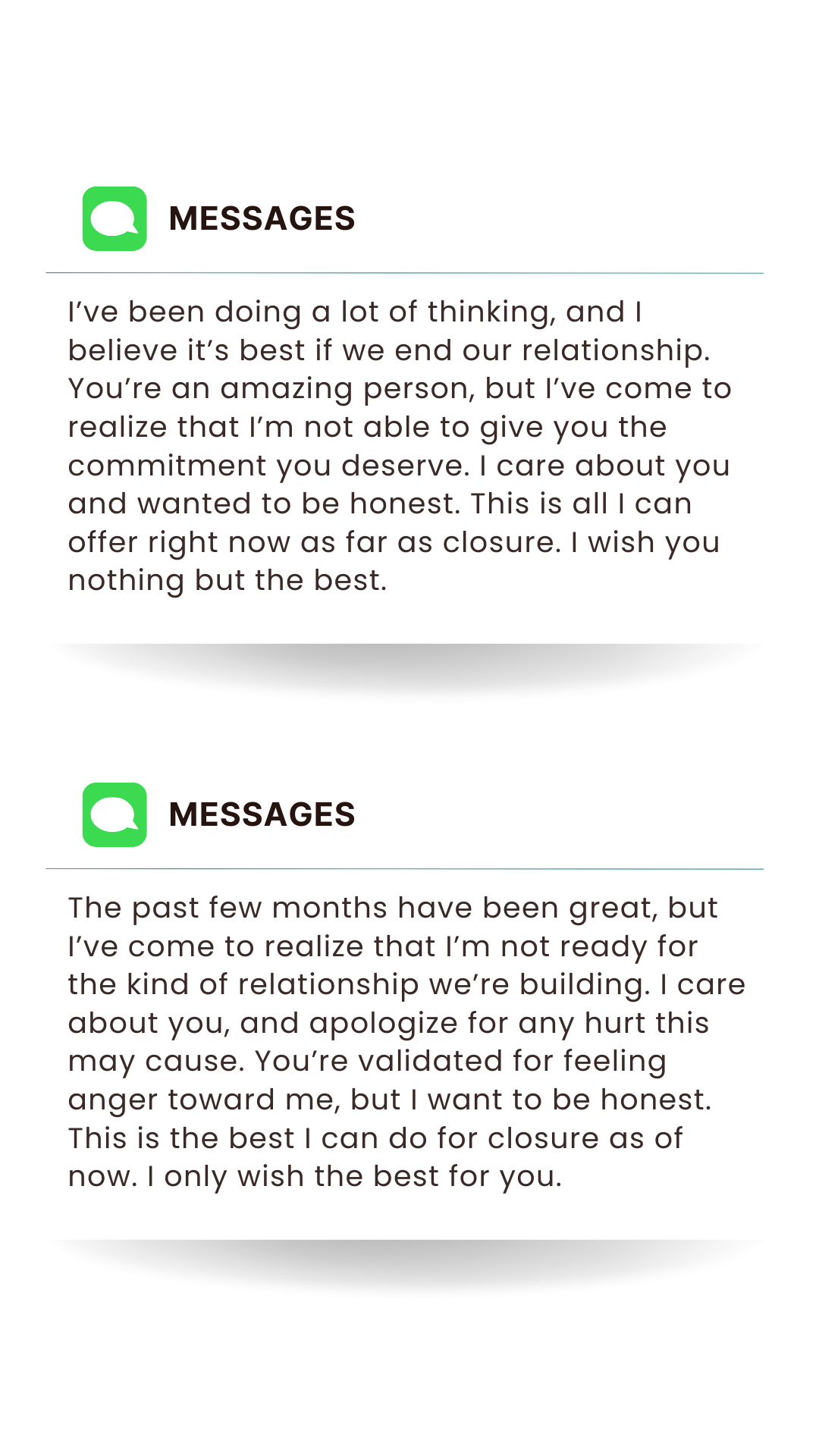
Here are some prompts or responses to use if you’re struggling with how to end a situation.
I’m going to tell you the truth about ghosting (the one that’s hard to admit)
It has more to do with us than them. Statistics show that most people who experience ghosting are not in serious relationships. I’m part of that majority. This led me to conclude that in a lot of situations, it wasn’t love we felt but the reassurance the ghoster gave us. We were in love with the excitement and confidence boost their messages provided. Are we grieving because we lost them or because they validated us? They filled a void, even if just for a short time.
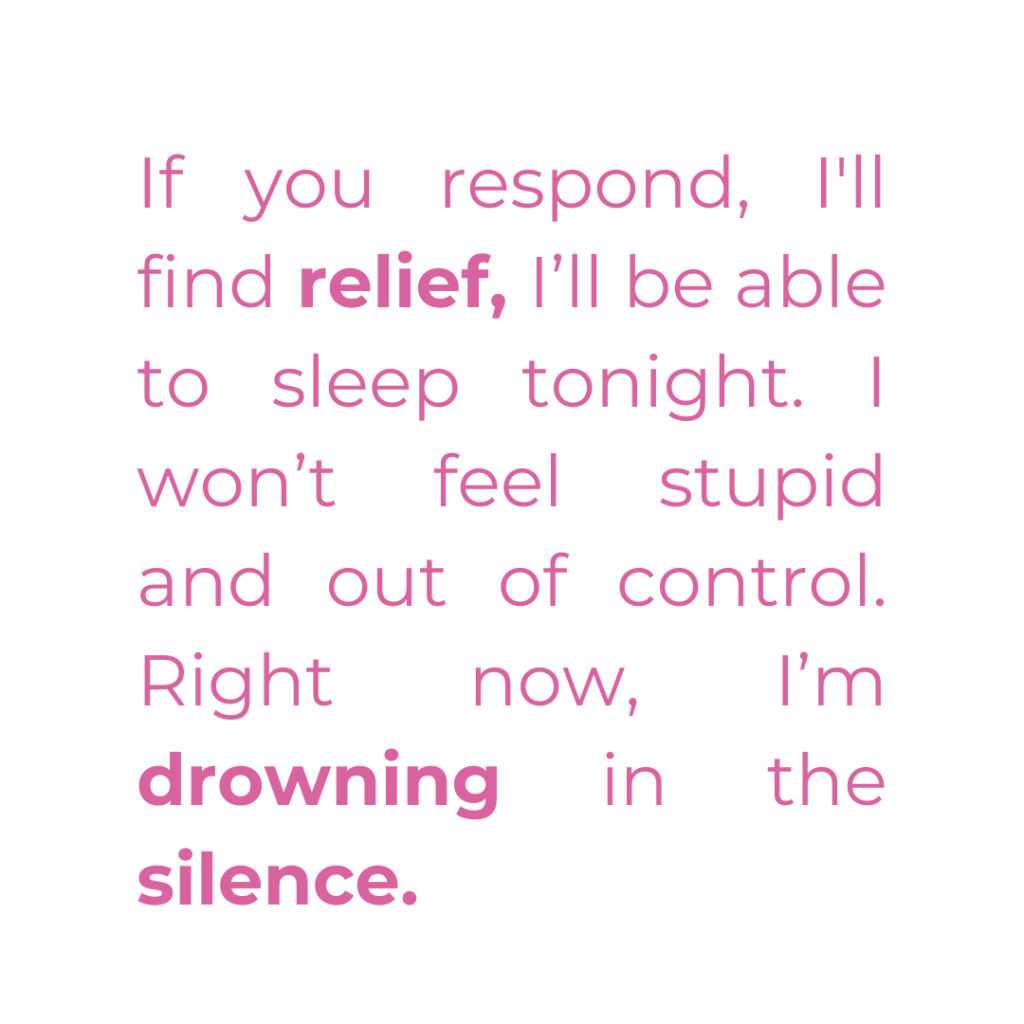
I wanted to blame them too, the ghoster, but after extensive therapy, I realized that focusing on them and the situation was just a way to avoid the real problem. Now, while ghosting is still upsetting, I no longer perceive it as a reflection of my worth. When someones actions trigger me into a spiral of self-hate and negative thoughts, that is on me, not them. They didn’t create the inner pain; their silence just reminded me that it’s there.

Perhaps we’ve been ghosting ourselves, abandoning the parts of us that need healing and searching for it in others. It’s time to respond, not to them, but to ourselves.
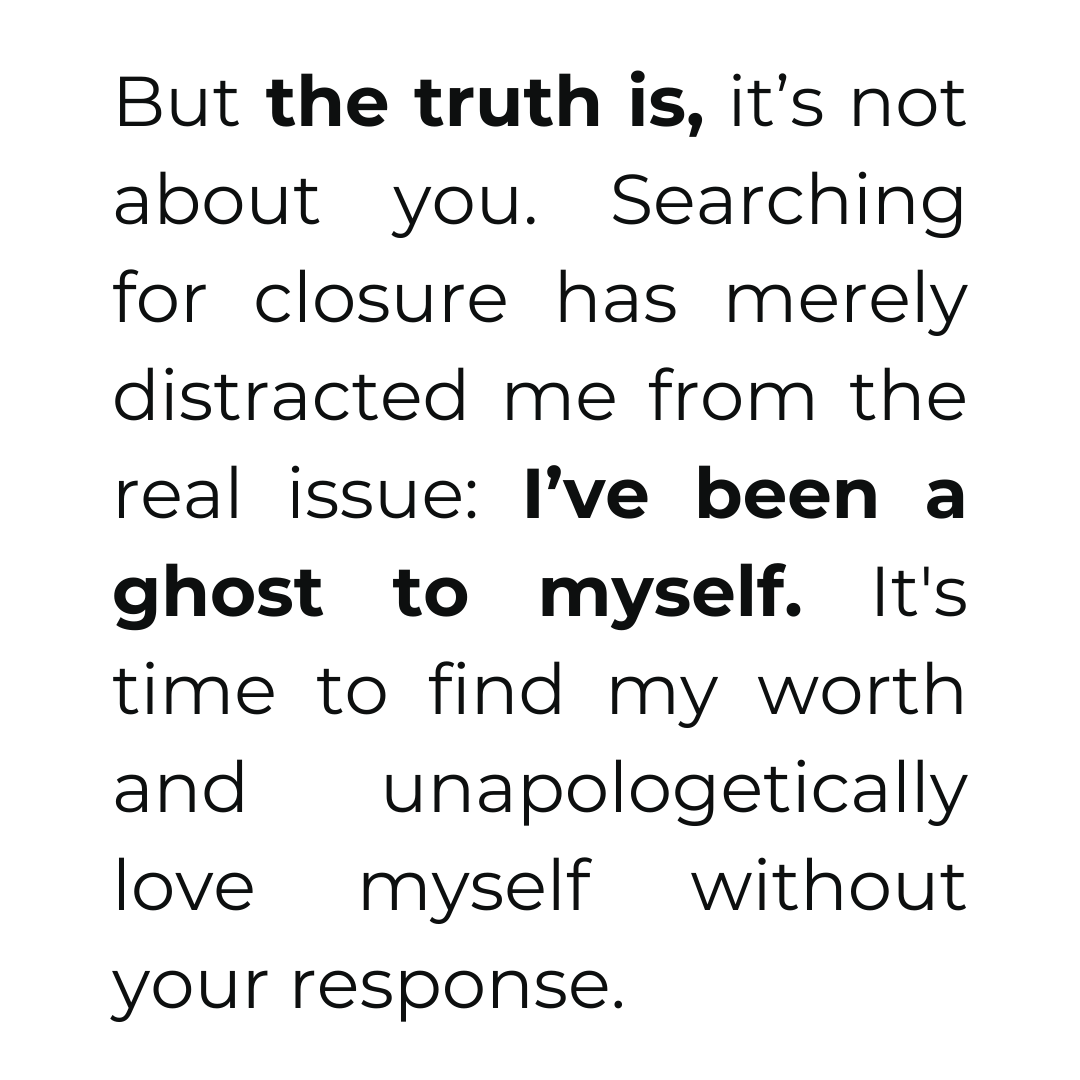
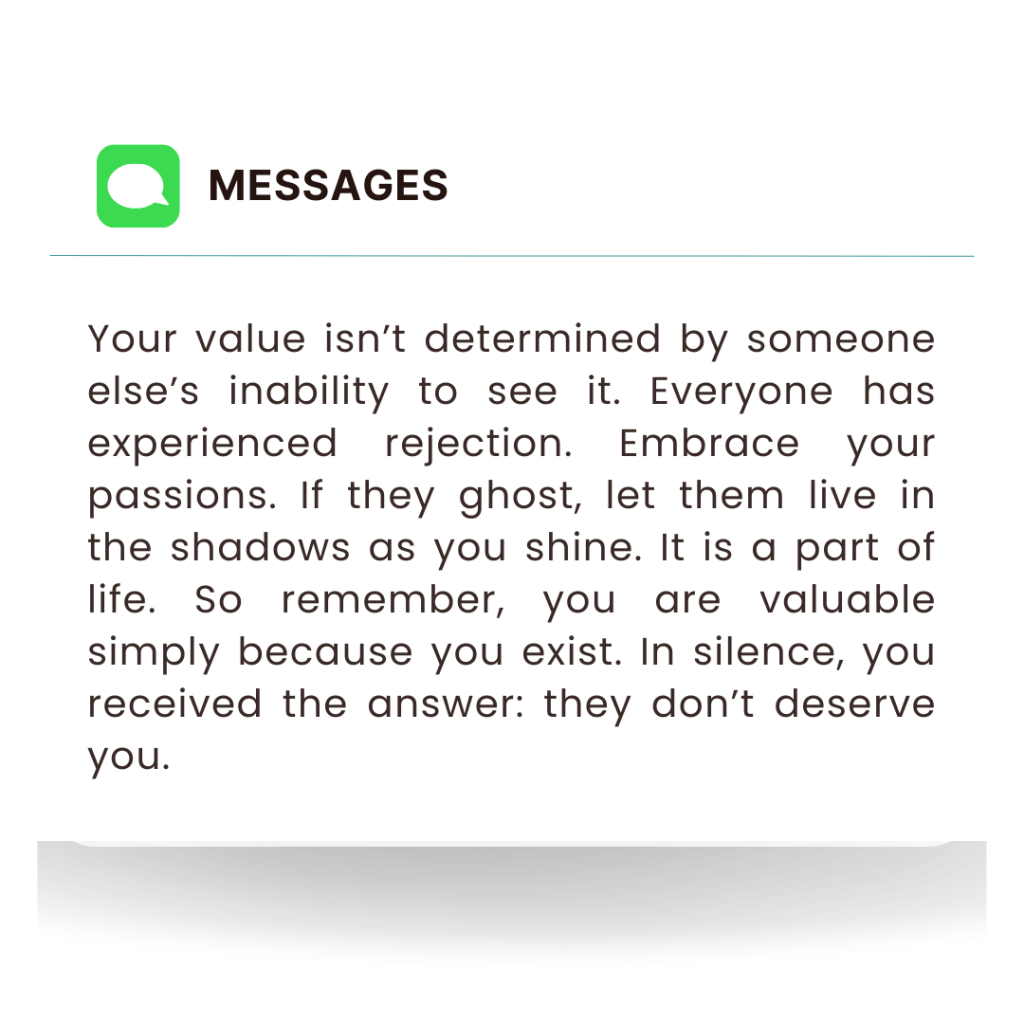
You are validated for being hurt, angry, and upset. Cry it out. Talk to friends without feeling ashamed, because most of us have been there. So to my readers, and those who shared their experiences with me, this is my response to you.
Coping With Ghosting
Here are a few creative ways to cope and some resources to help you navigate the hurt.
Poetically Healing
Write a poem about the loss and confusion. You do not have to be a professional writer or poet to do this. Just write. These are your words. Here is a prompt to help:
You’ve become a ghost,
and I am lost in the silence,
Character Coping
Create a character based on yourself who has just been ghosted. How does this character navigate through the hurt and confusion? Write scenes that illustrate the pain and the healing. How does their experience with ghosting shape them? How did they help themselves? Here is an opening line that may help you get started.
As she/he/they stared at the unanswered messages, she felt___
Inspirational Books
Also, I encourage you to explore self-help and inspirational books. My book, ‘Oh Mind, Where Have You Gone Today?’ is a collection of poetry and essays that resonates deeply with those navigating mental health challenges and heartbreak. Two of my favorite self-help books are You Are A Badass and Stop Overthinking.

My new book, “Oh Mind, Where Have You Gone Today?” is a collection of poems and essays delves deep into the soul, exploring themes of madness, mental health, mending, love, loss, patriotism, sensuality, womanhood, and the intricate tapestry of humanity.
 Blooming Mind Press